
2026-09-13 ·
Understanding Category 3 Water Damage in Residential Settings
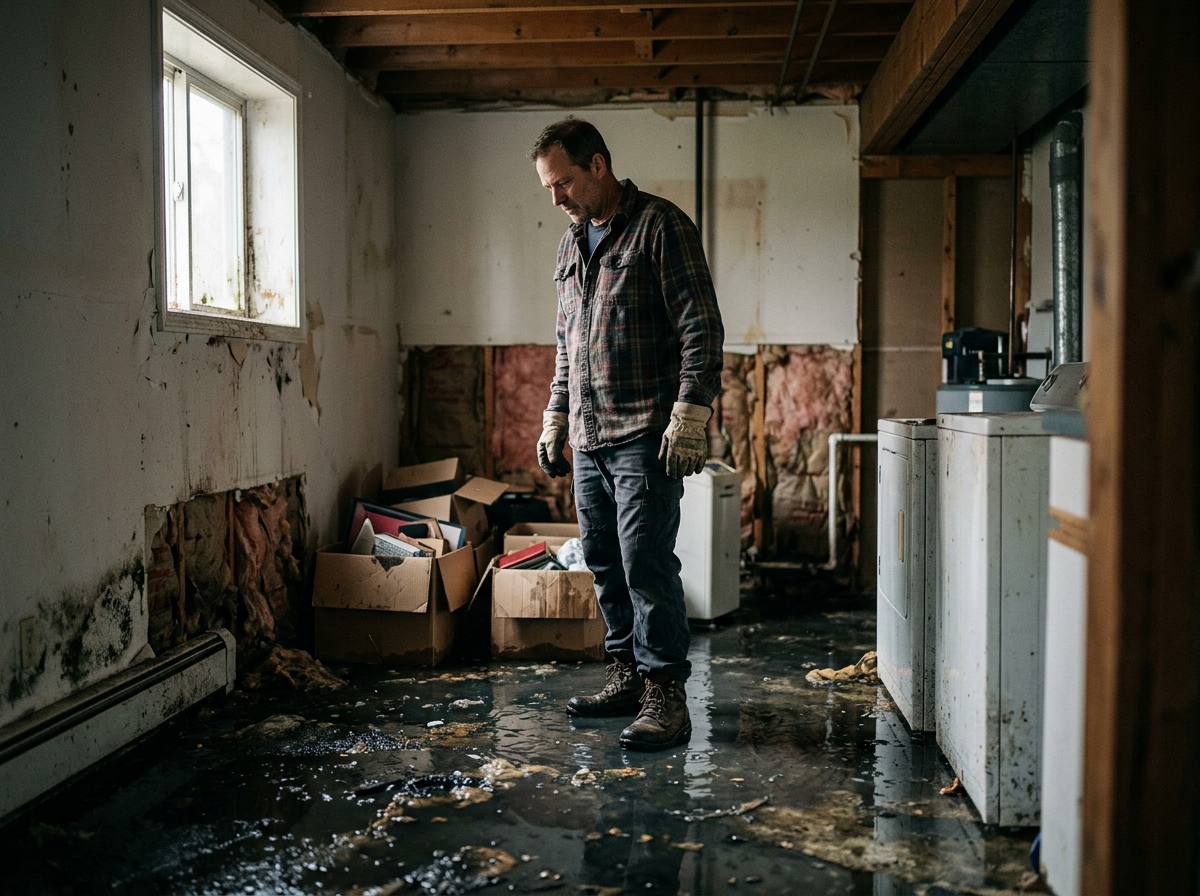
Category 3 water damage occurs when structures encounter grossly contaminated water from sources such as sewage backups or floodwaters carrying pathogens and debris. In residential settings this classification signals the need for specialized extraction and disposal protocols because the water can introduce bacteria, viruses, and other hazards that affect both occupants and building materials. Response within the first 24 hours helps limit how far contaminants migrate through porous surfaces like fieldstone foundations common in 19th-century river-slope homes across the Hudson Valley.
Identifying Category 3 Contamination Sources
Category 3 water typically arrives from external flooding along the tidal Hudson or from internal failures such as sewer line ruptures during nor'easter power outages. In Tarrytown and nearby communities, older homes with fieldstone foundations often experience intrusion when storm surge or heavy runoff overwhelms drainage. Sump pump failures compound the issue once electricity is lost, allowing groundwater mixed with surface contaminants to enter basements. Residents should note visible signs including dark discoloration, strong odors, or debris that indicates the water has contacted waste systems rather than remaining limited to clean roof leaks or appliance overflows.
Timeline for Degradation and Mold Growth
Once Category 3 water contacts organic materials such as wood framing or insulation, mold colonies can begin forming within 24-48 hours when indoor humidity stays elevated. The water itself can shift from lower contamination levels to more hazardous states as it mixes with household soils and building contents, often within roughly 48 hours. Professional teams use moisture meters to confirm drying progress rather than relying on surface appearance alone. In the Hudson Valley, January and February ice dams or frozen pipe bursts can introduce additional contaminants if meltwater carries exterior pollutants indoors, extending the period needed for thorough extraction and dehumidification.
Remediation Steps for Affected Homes
Initial containment isolates the affected area to prevent cross-contamination to unaffected rooms. Extraction removes standing water followed by removal of saturated materials that cannot be salvaged. Air movers and dehumidifiers then reduce moisture to levels that inhibit further microbial growth, with verification through repeated meter readings. Homeowners in areas such as Irvington or Dobbs Ferry often benefit from coordinating with water damage restoration specialists who understand local foundation types. After drying, mold remediation addresses any secondary growth that developed on remaining organic surfaces.
Local Hudson Valley Considerations
Tidal influences up to Troy and seasonal nor'easters create repeated exposure risks for homes built on river slopes. Spring thaw events can push additional groundwater through weeps in fieldstone foundations, turning isolated incidents into broader Category 3 events when surface contaminants enter. Spring thaw and its impact on local foundations outlines how these patterns affect older construction. Property owners should review their insurance policies directly with carriers to understand coverage, then contact Hudson Valley Flood Response at 629 White Plains Rd, Tarrytown, NY 10591 for assessment and extraction services tailored to these regional conditions.