
2026-09-13 ·
Signs of Hidden Water Damage in Older Tarrytown Homes
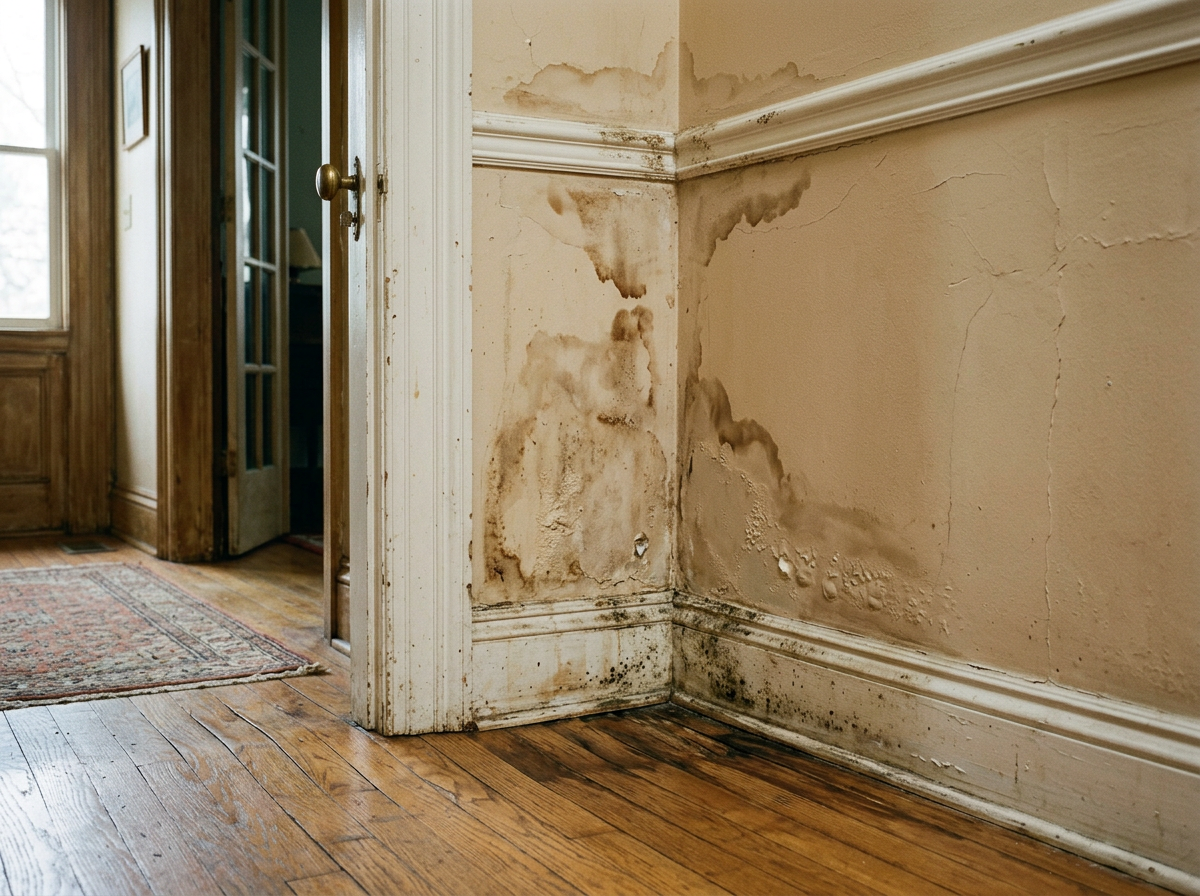
Signs of hidden water damage in older Tarrytown homes include persistent musty odors, subtle wall discoloration, and floor warping that appears weeks after initial exposure. These clues often trace to 19th-century construction details such as fieldstone foundations that weep during tidal surges or nor'easter power outages. Water from frozen pipes or ice dams can sit undetected for days before categories shift. Category 1 water typically degrades to Category 2 in roughly 48 hours, while mold can begin forming on organic materials within 24-48 hours. Professional verification with moisture meters confirms drying progress beyond what visual checks reveal.
Discoloration and Stains on Surfaces
Plaster and lath walls in Tarrytown's older properties frequently show faint yellow or brown rings near baseboards after hidden leaks. These marks develop when moisture travels upward from fieldstone foundations exposed to Hudson River tidal influences. Homeowners may notice the stains only after paint begins to bubble or peel in linear patterns along exterior walls. Checking behind furniture or in closets reveals whether the issue extends beyond surface level. Once identified, prompt assessment prevents the water from reaching secondary materials that support mold growth. Water damage restoration teams use meters to map the full extent without unnecessary demolition.
Warping and Buckling in Floors and Walls
Hardwood floors in pre-1900 Tarrytown homes often cup or separate when moisture enters from below through aging fieldstone. The same process affects door frames that suddenly stick or trim that pulls away from plaster. Ice dam melt in January and February commonly feeds these problems by saturating roof edges and running down interior walls. Residents can test for hidden saturation by pressing on suspect areas; a soft or springy feel indicates trapped water. Monitoring over several days shows whether the distortion worsens after heavy rain or snowmelt. Early detection allows targeted drying before structural members weaken.
Musty Odors and Air Quality Changes
A persistent earthy smell in finished basements or first-floor rooms signals organic material staying damp long enough for microbial activity. In Tarrytown homes built on slopes, this odor concentrates near sump areas after power loss during nor'easters. The smell may intensify in humid summer months when Category 2 water left from winter events continues to off-gas. Opening windows provides temporary relief but does not address the source. Mold remediation becomes relevant once moisture meters confirm elevated readings in cavities. Addressing ventilation alone rarely resolves the underlying saturation.
Fieldstone Foundation and Sump Concerns
Fieldstone foundations common along the Hudson in Tarrytown allow water to migrate through mortar joints during tidal cycles or heavy runoff. Homeowners notice efflorescence, white powdery deposits, or small puddles near the base of interior walls after storms. Sump pump failure during outages leaves standing water that soaks into adjacent framing. Regular visual checks of the foundation exterior after freeze-thaw cycles help catch new seepage points. When odors or stains appear, mapping the affected zones with professional equipment clarifies whether the issue stays localized or has spread upward. Basement water removal restores dry conditions measured by meters rather than guesswork.
Practical Next Steps for Tarrytown Homeowners
Document any visible signs with dated photos and note weather events that preceded them. Locate the main shutoff valve using guidance from resources on emergency water shutoff locations in older homes before calling for assessment. Avoid disturbing suspected areas until moisture levels are verified, since moving water into new cavities can extend drying time. Review your insurance policy details directly with your carrier to understand coverage variables. How to prevent mold after basement flooding in the Hudson Valley outlines additional seasonal steps relevant to local conditions. Hudson Valley Flood Response at 629 White Plains Rd, Tarrytown, NY 10591 provides on-site evaluation focused on these older-home specifics.