
2026-09-13 ·
Cost Factors for Water Damage Restoration in Tarrytown
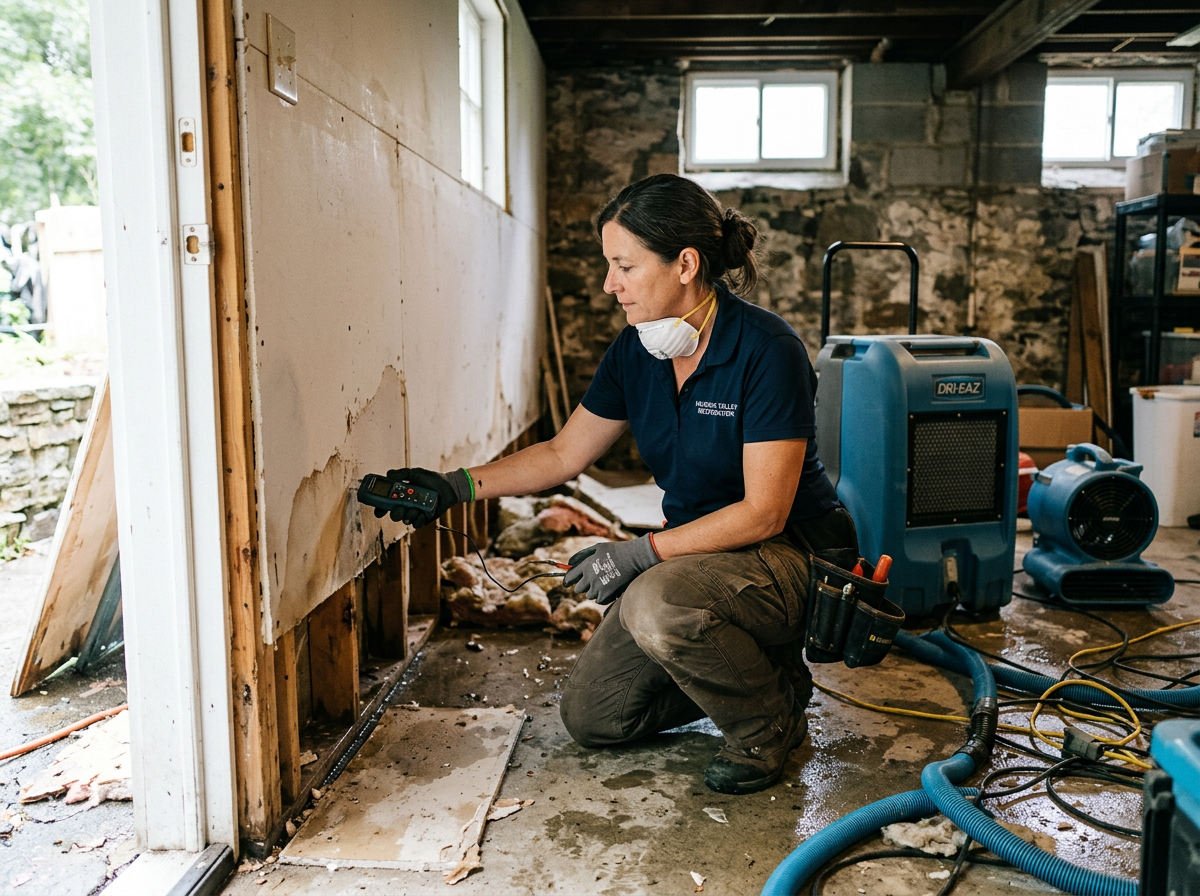
Several variables shape the final expense of addressing water intrusion in Tarrytown properties. The category of the water, the square footage affected, and the number of hours that pass before extraction begins all influence labor, equipment, and material decisions. Fieldstone foundations common along the Hudson often require targeted drying that extends project length. Homeowners in Tarrytown can review their specific situation with a local team that understands these regional patterns.
Water Category and Contamination Timeline
Standing water labeled Category 1 can shift to Category 2 within roughly 48 hours once it contacts building materials. This change raises the need for additional containment and disposal steps that directly affect total project cost. In Tarrytown homes with older wood framing, even clean supply-line leaks pick up sediment quickly. Moisture meters confirm when levels return to acceptable ranges, usually after several days of continuous air movement and dehumidification. Crews adjust equipment placement based on these readings rather than fixed schedules. Property owners who notice slow drains or minor seepage benefit from prompt assessment to limit category escalation.
Local Foundation and Construction Factors
Nineteenth-century river-slope houses in Tarrytown frequently feature fieldstone foundations that allow water to weep inward during tidal surges or heavy rain. These porous walls require slower, monitored drying to avoid shifting stones or trapped moisture behind plaster. Sump pump failures during nor'easter power outages compound the issue by allowing groundwater to rise against basement slabs. Each additional affected wall or joist space increases the number of drying days and the volume of air movers needed. Restoration teams working from 629 White Plains Rd, Tarrytown, NY 10591 routinely map these hidden cavities before final verification.
Timing and Seasonal Hudson Valley Conditions
Ice dams and frozen pipes peak in January and February, often releasing water suddenly once temperatures rise. The 24-to-48-hour window before mold appears on wet organic material means delays compound both drying time and labor. A water damage restoration timeline for Tarrytown homes outlines how early extraction shortens overall drying periods. Properties that experience repeated winter events may need repeated equipment setups, raising cumulative expense. Summer humidity levels above 60 percent indoors can also stretch the process by several days. Prompt calls to address visible seepage keep projects within tighter equipment-use windows.
Equipment, Access, and Follow-Up Steps
Dehumidifiers and air movers run continuously until moisture meters read within normal ranges, typically three to five days for moderate cases. Limited access under finished floors or behind built-in cabinetry adds labor hours for disassembly and reassembly. Flooded basement cleanup often includes temporary power solutions when outages persist. After drying, any remaining organic debris must be removed to reduce future mold risk. Homeowners can compare quotes that itemize equipment days, labor categories, and disposal fees. What to expect from water damage restoration after a nor'easter provides further detail on storm-specific variables.
Practical Next Steps for Tarrytown Residents
Documenting water source, affected rooms, and any prior leaks helps clarify the scope during the first visit. Checking policy language with the insurance carrier clarifies what documentation the adjuster will require. Local crews familiar with Tarrytown's mix of historic and newer construction can provide realistic drying projections based on meter readings rather than estimates. Scheduling follow-up visits confirms that hidden cavities have reached target moisture levels before finishes are replaced.