
Hudson Valley Flood Response
Water Damage Restoration Across New York
When power outages stop sump pumps or winter freezes burst pipes, our crews reach basements fast and confirm every surface is dry with moisture readings.
- Statewide Response
- Verified Drying Process
- Sump Failure Experts
Get a Free Quote
Tell us your zip code and what happened. Takes about a minute.
About Hudson Valley Flood Response
Water Damage Restoration Across New York
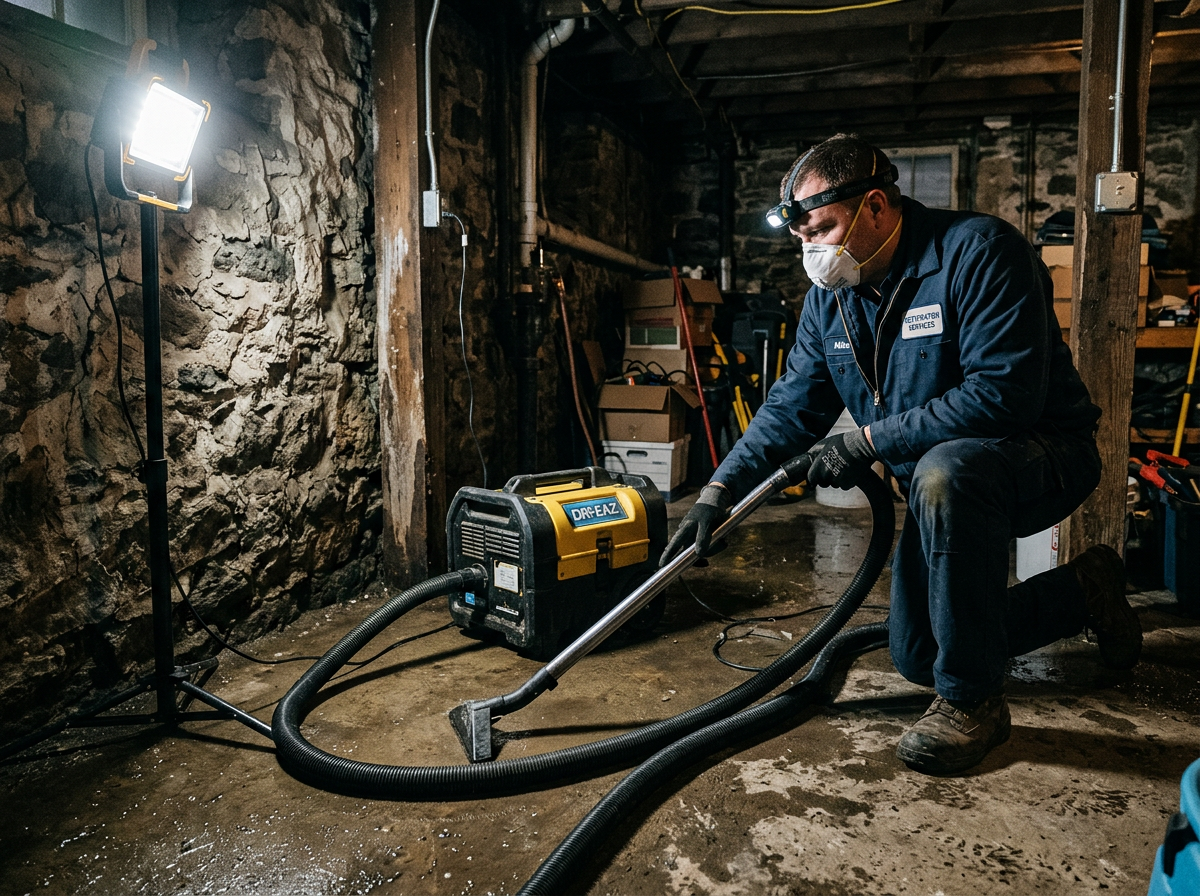
Our crews handle water damage restoration calls from every corner of New York, starting with rapid arrival at the property to secure the structure and eliminate immediate hazards. We locate the water source—whether river surge along tidal sections, roof leaks, or pipe failures—and stop the flow before beginning extraction of standing water from basements and other affected spaces.
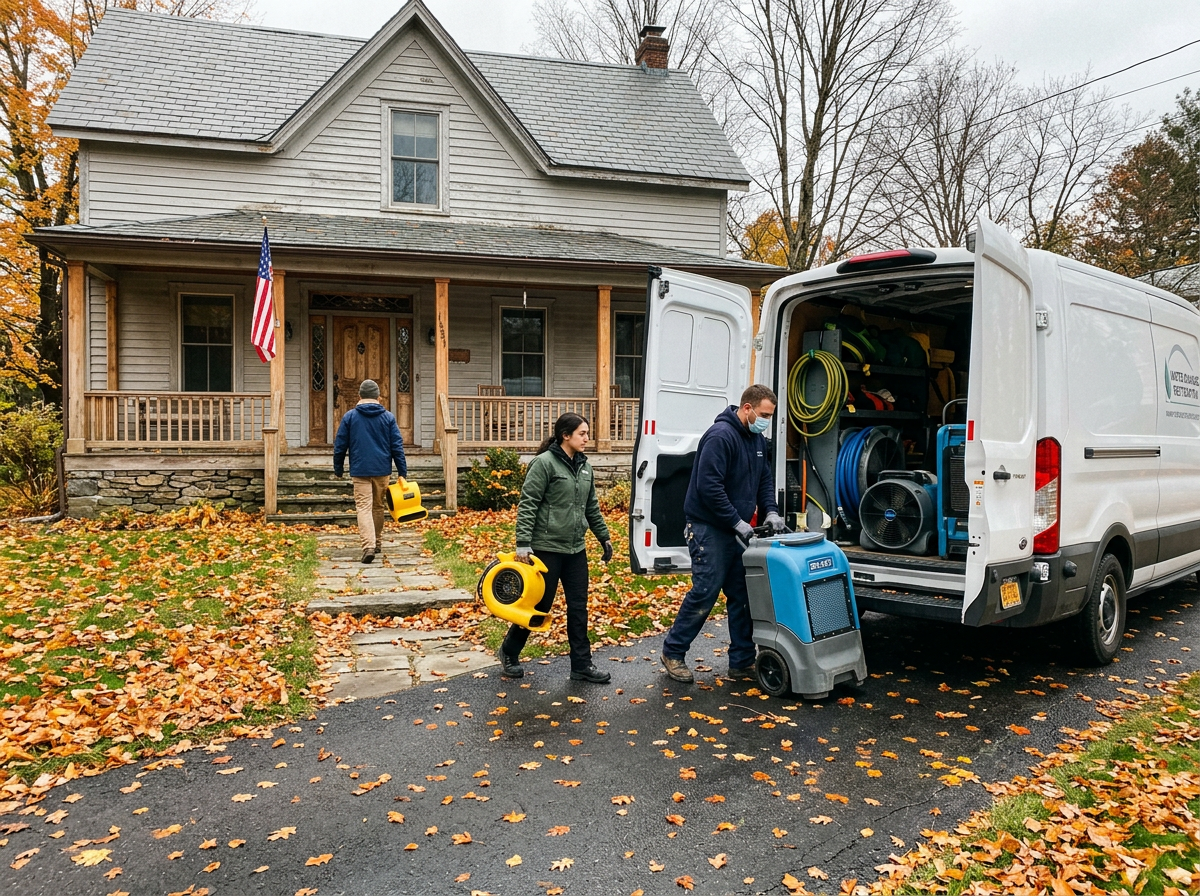
Once water is removed we position air movers and dehumidifiers to create a controlled drying environment, then use moisture meters to confirm that materials have reached safe levels before any reconstruction work begins. This sequence prevents hidden moisture from turning Category 1 water into Category 2 conditions and supports full restoration in both historic and newer buildings.
- Emergency arrival and source-stopping protocols for storm-surge and rain-driven flooding
- Extraction followed by air-mover and dehumidifier drying verified with moisture meters
- Reconstruction performed only after meter readings confirm safe moisture levels
- Flooded basement cleanup tailored to fieldstone, rubble, and modern foundation types
- Statewide coverage that accounts for ice-dam, frozen-pipe, and sump-failure events
What we do
Water Damage Restoration Services Across New York
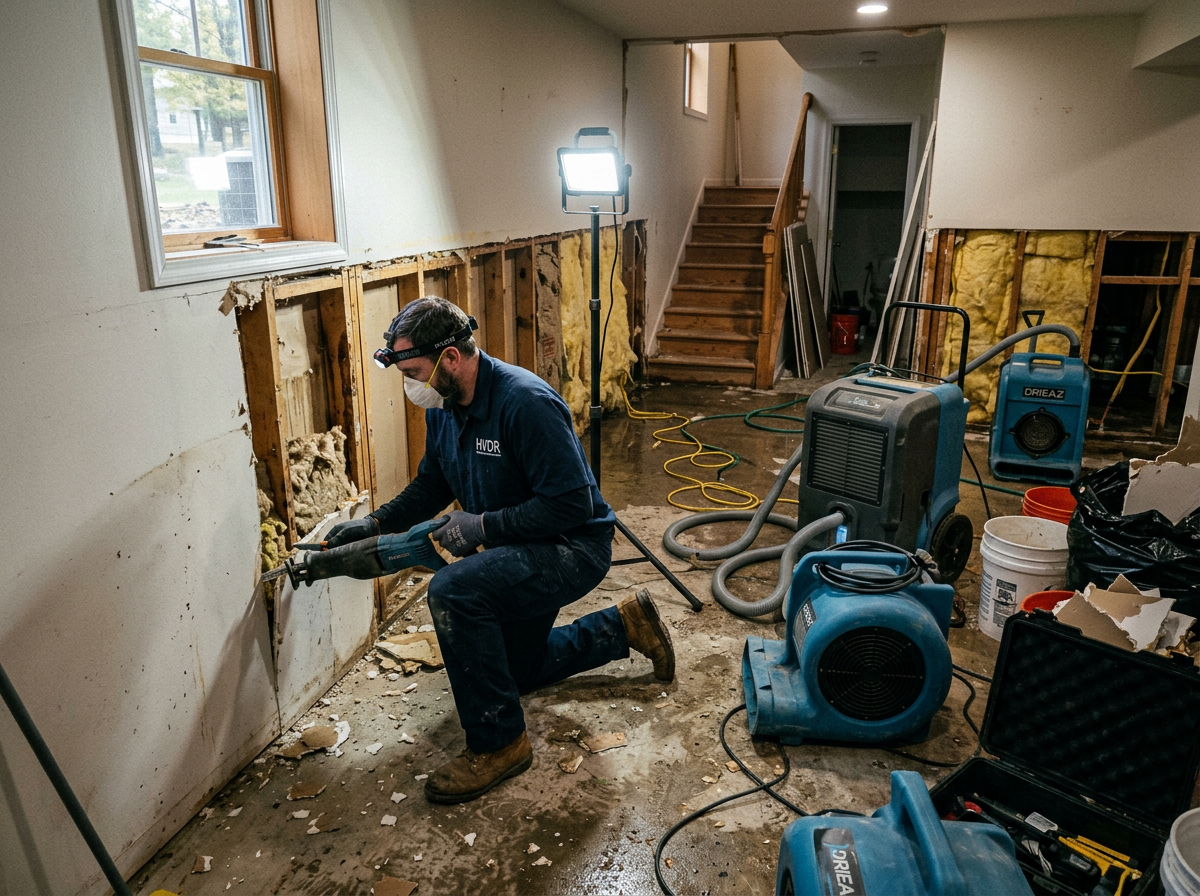
Water Damage Restoration
Hudson Valley water damage restoration for river-village homes with fieldstone foundations, sump failures and rapid Category shifts.
Learn more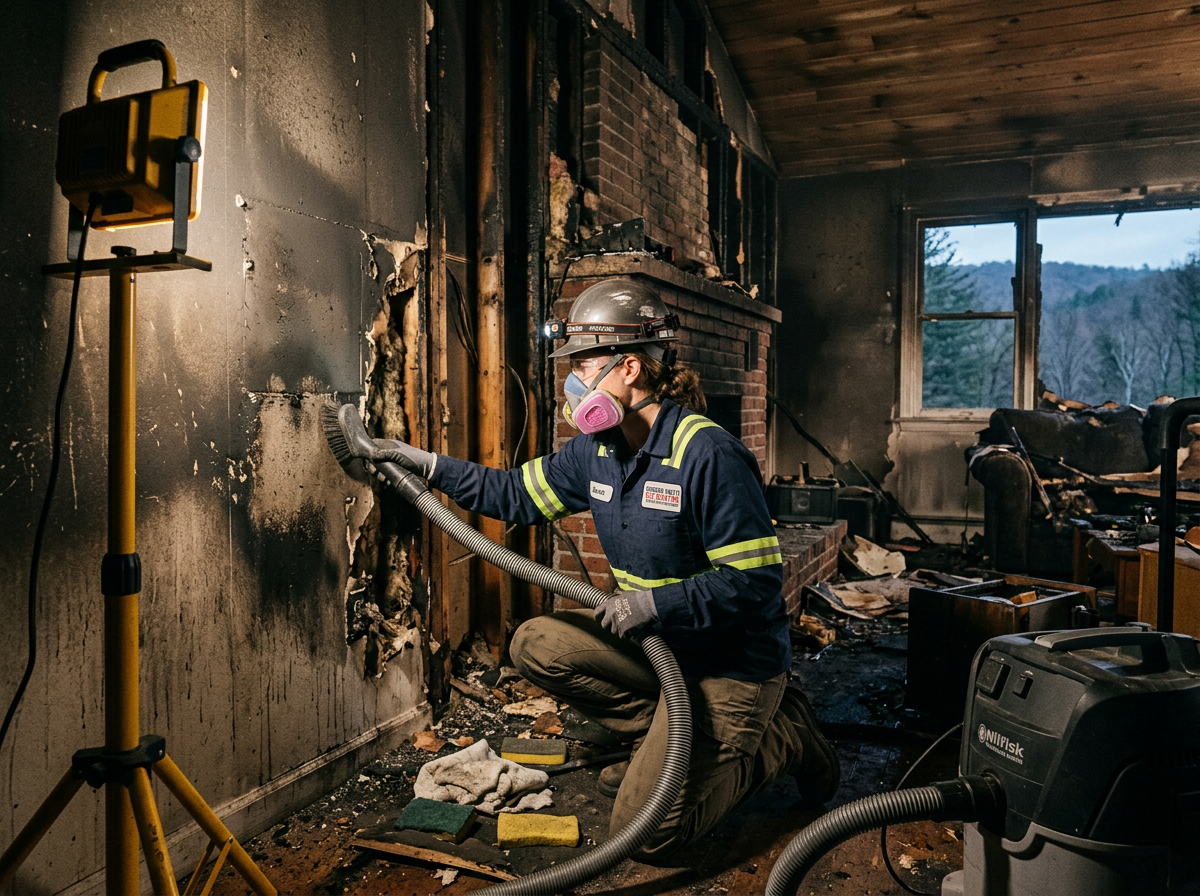
Fire Damage Restoration
Targeted fire damage restoration that addresses soot, suppression water intrusion, and odour in 19th-century Hudson Valley housing stock.
Learn more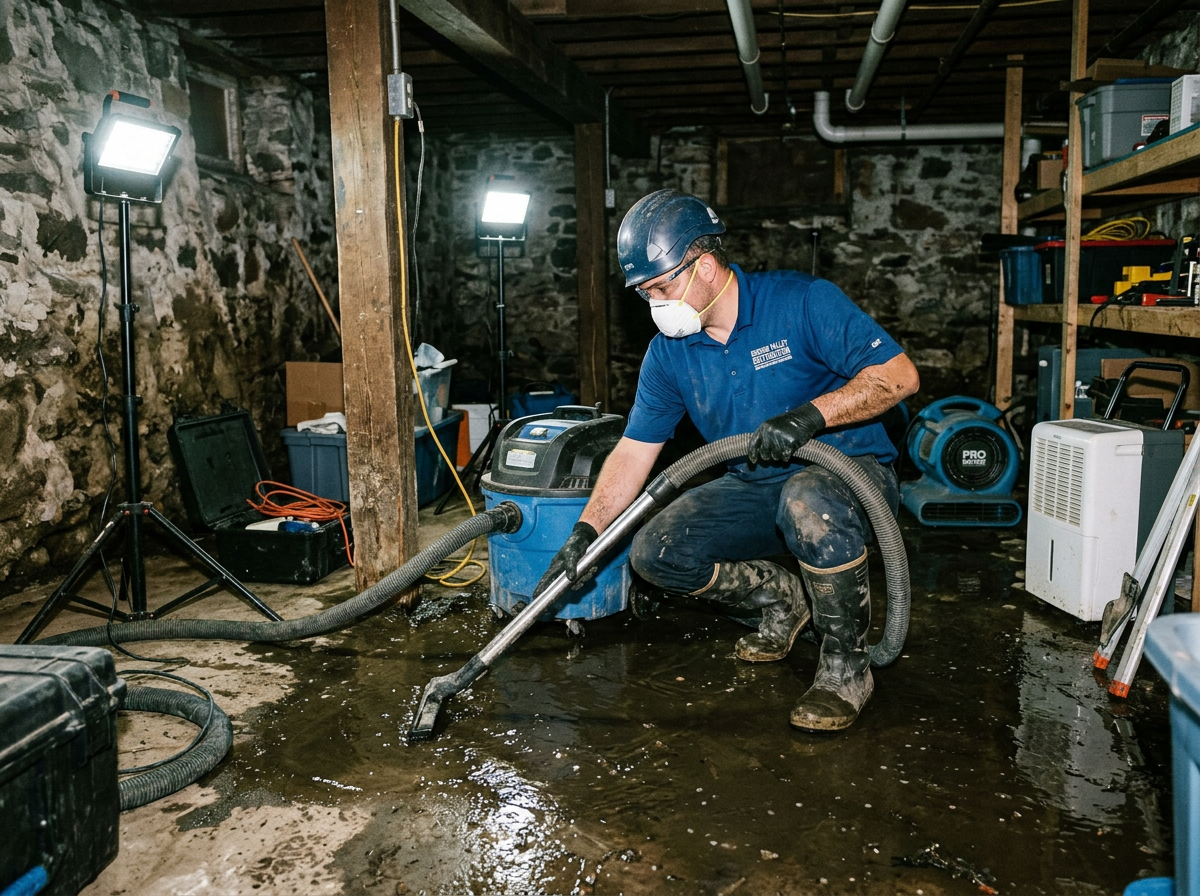
Flooded Basement Cleanup
Targeted flooded basement cleanup for Hudson Valley homes with stone cellars, weeping foundations, and power-loss sump issues.
Learn more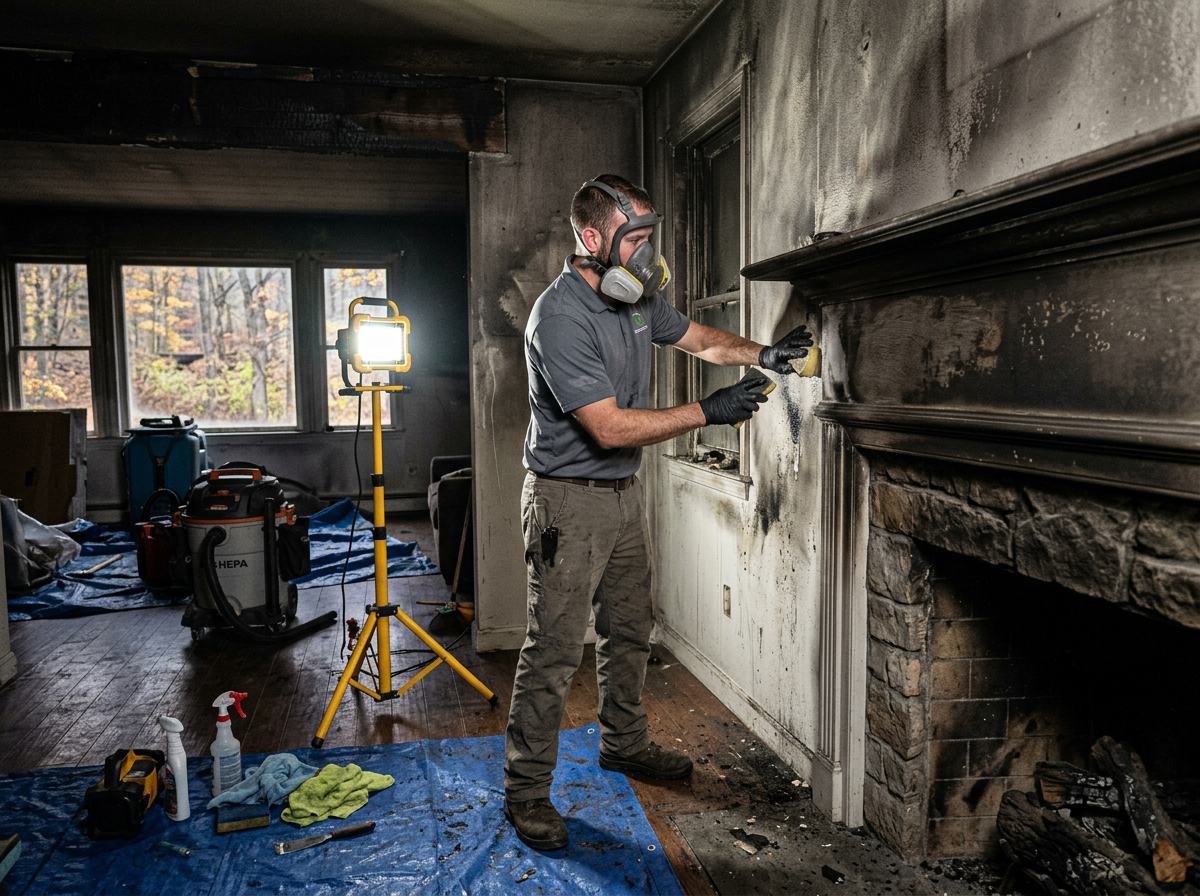
Smoke Damage Restoration
Targeted smoke and soot cleanup for 19th-century Hudson Valley homes where smoke travels through lath, fieldstone, and river-slope foundations.
Learn more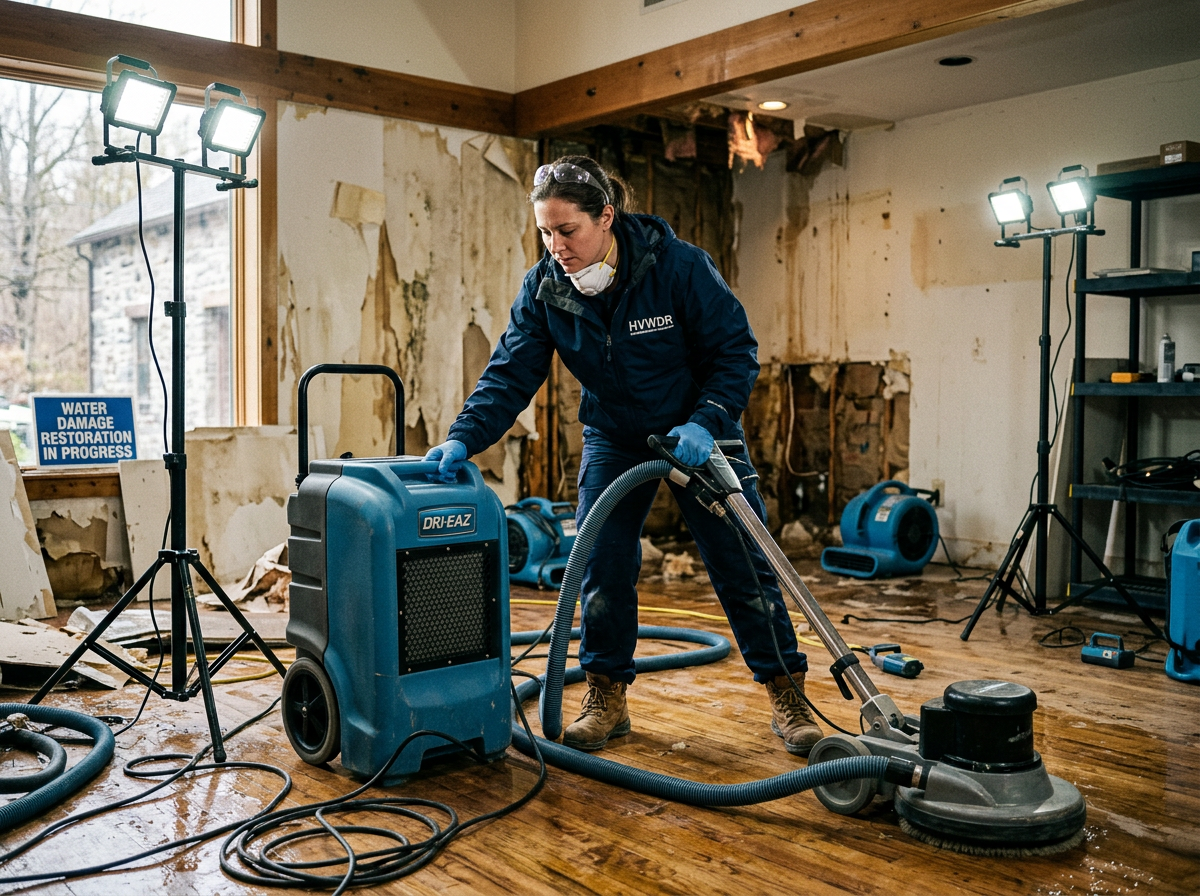
Commercial Water Damage
Targeted water damage restoration for Hudson Valley businesses that minimizes downtime and handles the realities of river surge and older building stock.
Learn more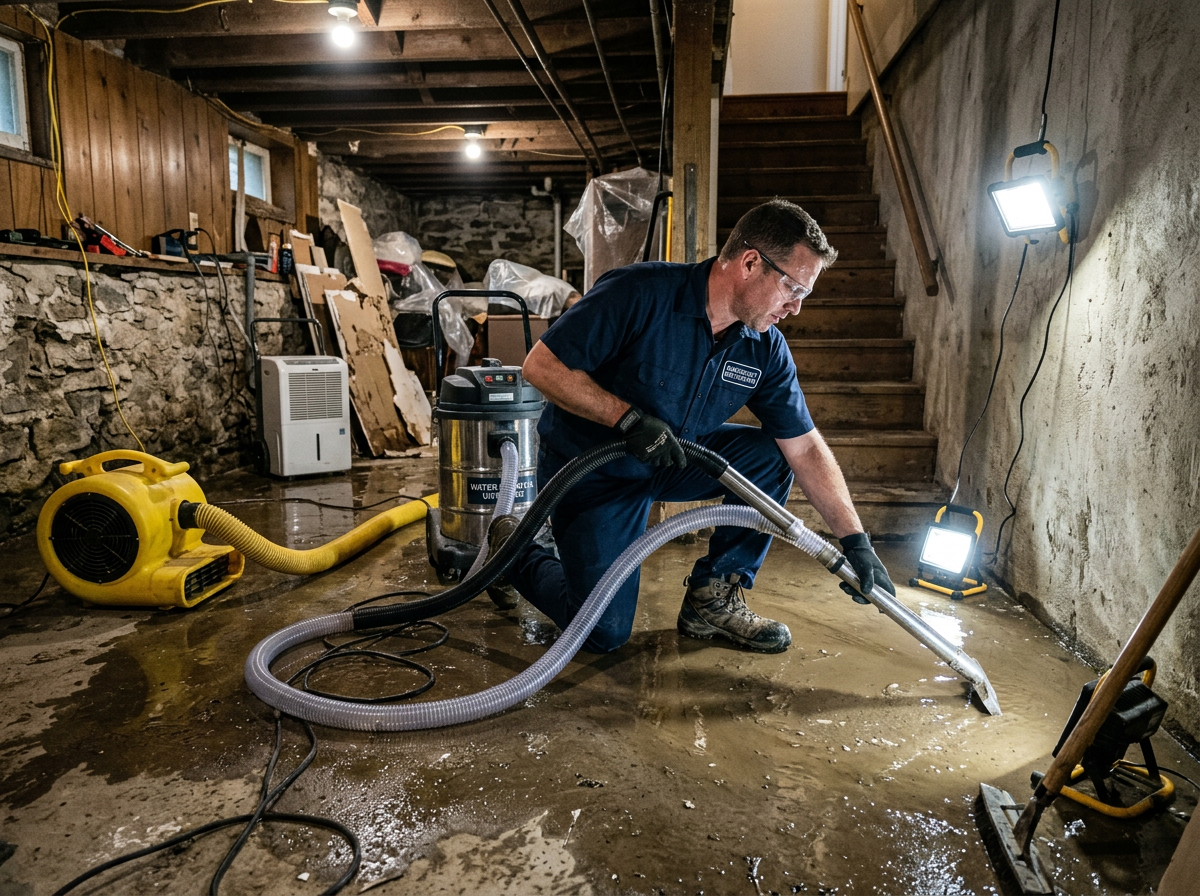
Emergency Water Removal
Rapid response extraction that stops Category 1 water from becoming Category 2 inside Tarrytown’s stone foundations and river-slope basements.
Learn more8
Specialist services
49+
Cities covered
Free
Estimates & advice
Why Choose Us
Water Damage Restoration Built For New York Conditions
Hudson Valley Flood Response handles water damage restoration statewide with methods shaped by local rivers, old building stock, and seasonal extremes.
Rapid Response Time
Quick arrival stops Category 1 water from turning into Category 2 within roughly 48 hours and keeps total repair costs from climbing.
Verified Drying
Moisture meter readings confirm every section is dry instead of relying on surface assumptions after extraction.
Fieldstone Foundation Care
Weeping rubble and fieldstone foundations common in the Hudson Valley receive targeted water removal to limit hidden spread.
Winter Pipe And Sump Service
Frozen pipes, ice dams, and sump failures during power cuts are addressed before secondary damage sets in.
Tidal Surge Handling
Storm surge from the tidal Hudson requires repeated extraction cycles that match the river's back-and-forth flow.
Statewide Reach
Water damage restoration is delivered across New York from the Tarrytown base without limiting service to one area.
Cities we serve
Water Damage Restoration Across New York — Cities We Serve
Westchester · Humid continental climate with warm summers.
How it works
What to expect, start to finish
Emergency Response And Making Safe
When water damage occurs across New York, the first priority is reaching the property to secure the area, shut off power where needed, and block access to standing water from any category of intrusion.
Source Identification And Stop
Technicians locate the origin whether from ice dams, frozen pipes, fieldstone foundation seepage, or sump pump failure during a nor'easter outage, then stop the flow before further water enters.
Extraction
Standing water is removed using professional equipment suited to the volume and type of water present, reducing the load that could otherwise degrade from clean to contaminated within hours.
Controlled Drying And Moisture Verification
Air movers and dehumidifiers are placed in a monitored pattern, with moisture meters used at multiple depths to confirm materials have returned to acceptable levels rather than relying on surface appearance alone.
Reconstruction Where Needed
Once drying is verified, affected drywall, flooring, or other materials are replaced only in the sections that cannot be restored, with all work scoped after the inspection so a firm price is provided before any repairs begin.
From the blog
Water Damage Restoration Tips & Guides for New York
2026-09-13
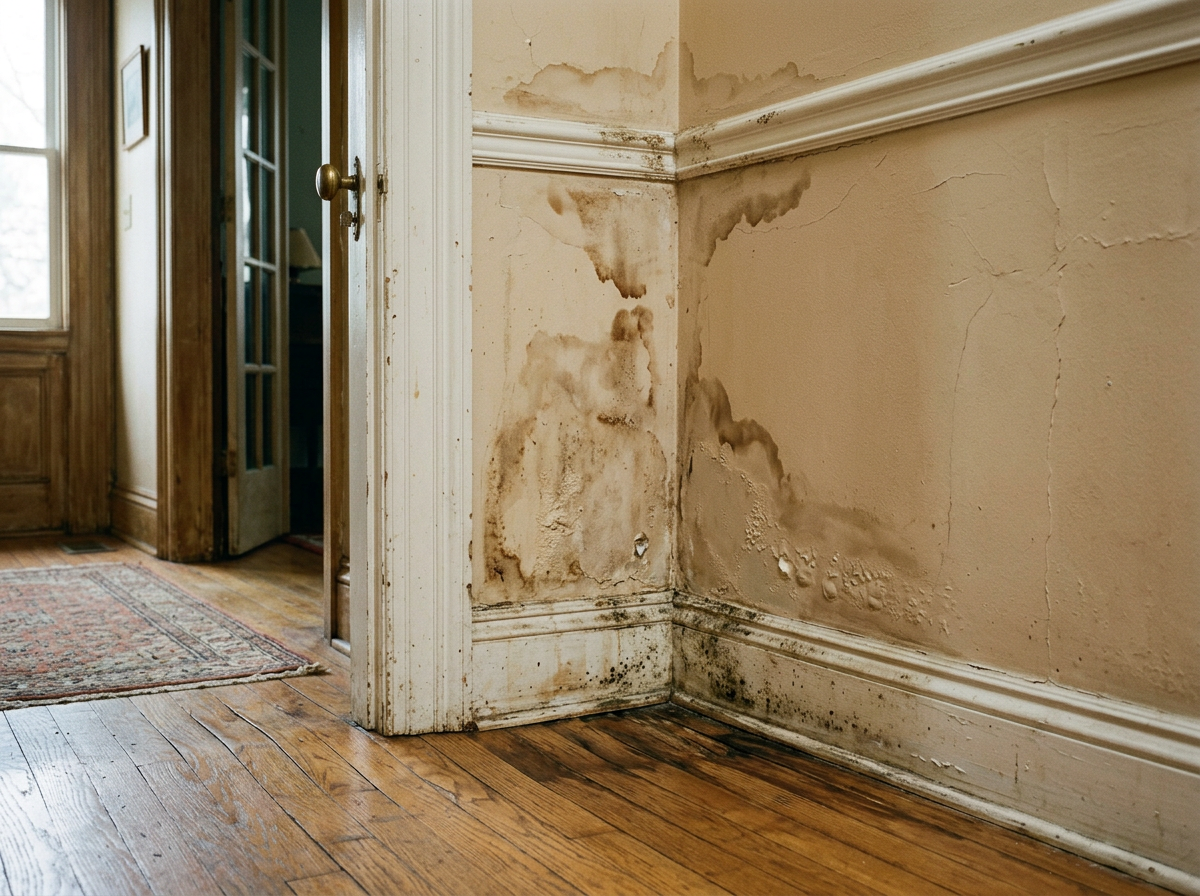
Signs of Hidden Water Damage in Older Tarrytown Homes
Older Tarrytown homes often hide water intrusion behind plaster and fieldstone. Spotting early indicators tied to Hudson Valley conditions h…
2026-09-13
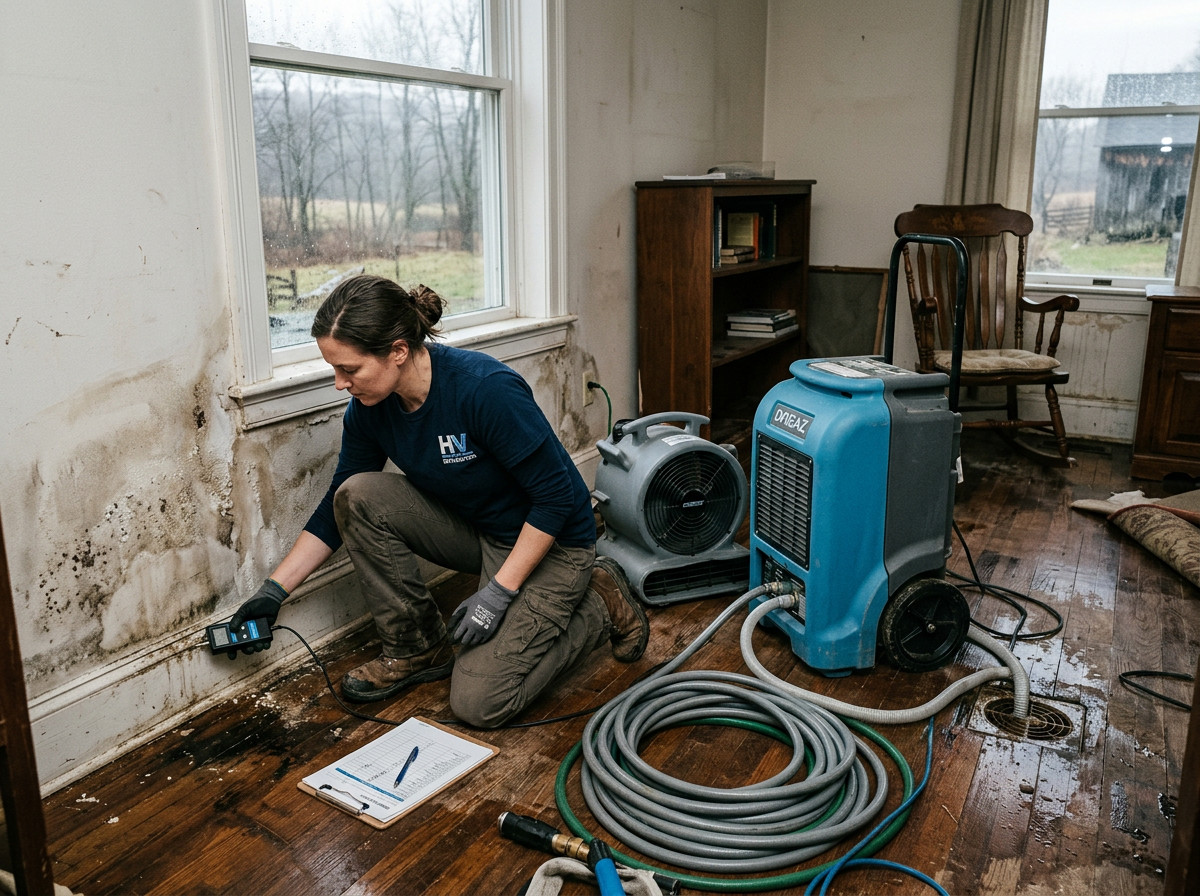
What to Expect from Water Damage Restoration After a Nor'easter
Nor'easters bring ice dams, sump failures, and rapid water category shifts to Hudson Valley properties. Restoration focuses on quick extract…
2026-09-13
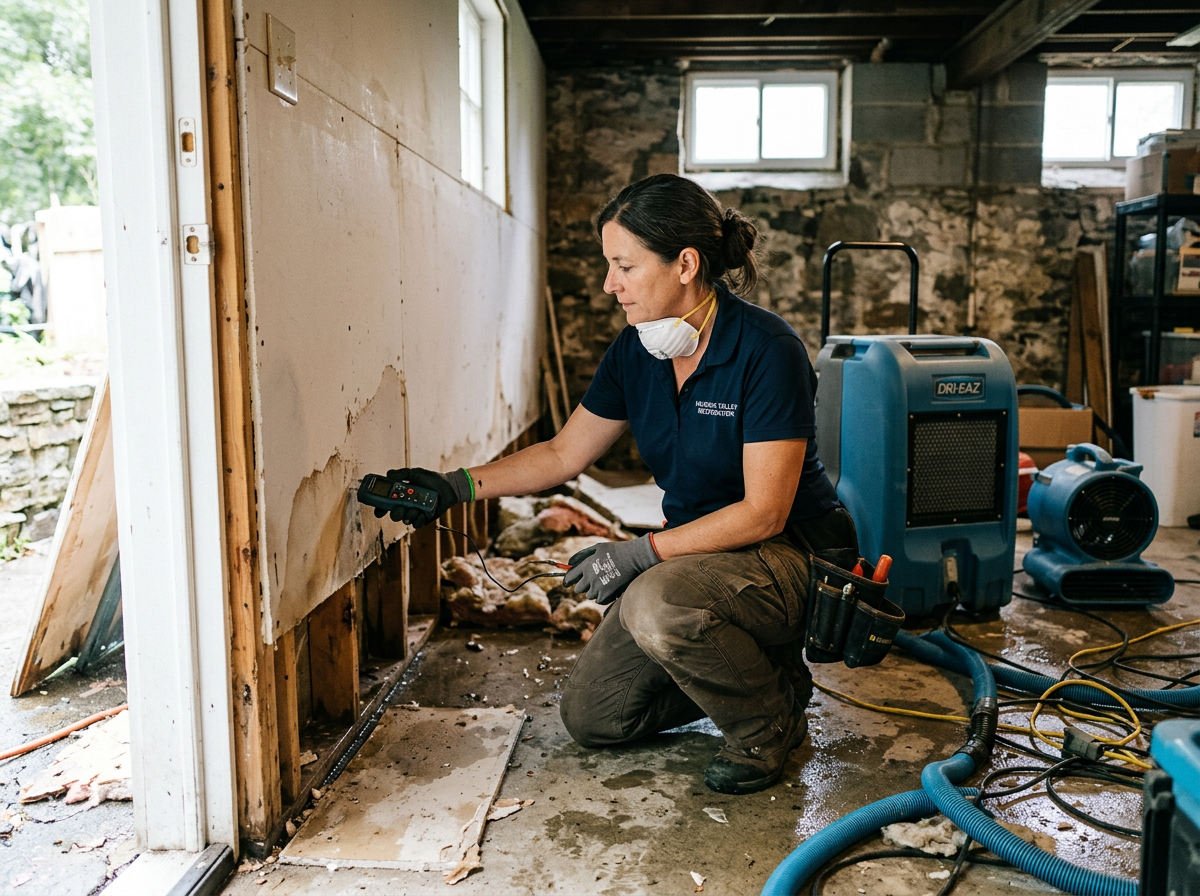
Cost Factors for Water Damage Restoration in Tarrytown
Several variables shape the final expense of addressing water intrusion in Tarrytown properties. Local river-slope homes and seasonal risks …
Good to know
Water Damage Restoration FAQs — New York
Still have questions? We're happy to talk it through.
(845) 209-9266