
2026-09-13 ·
Insurance Claims for Flood Damage in the Hudson Valley
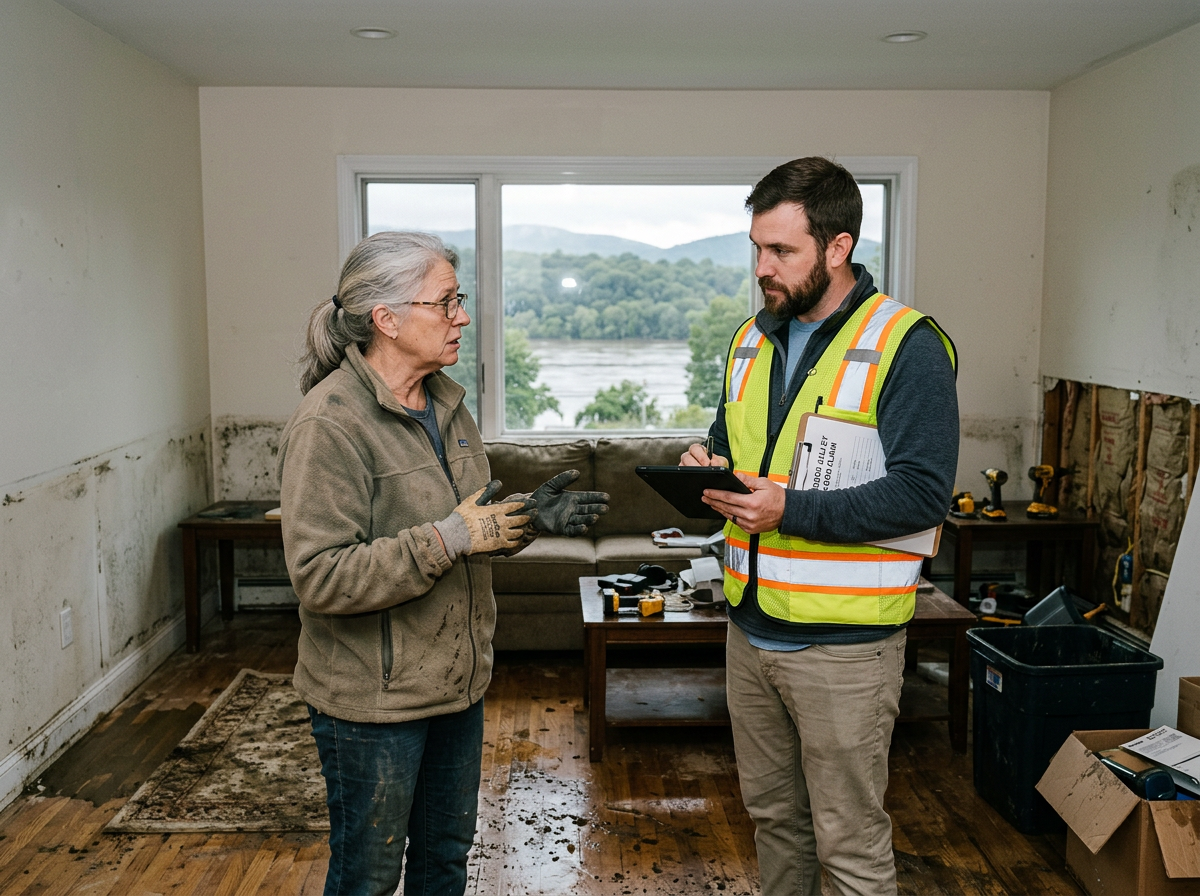
Filing an insurance claim for flood damage in the Hudson Valley begins with immediate contact to your carrier after identifying water from tidal surges up the Hudson to Troy or storm-related power outages. Policies vary widely, so coverage depends on the exact terms rather than general assumptions about flood events. Homeowners in areas with 19th-century river-slope housing often face challenges from fieldstone foundations that allow seepage during heavy rains.
Initial Documentation Requirements
Start by photographing all affected areas before any cleanup begins, noting water levels on walls and the condition of personal items in basements common to Tarrytown and surrounding towns. Record dates and times of the event, such as January or February ice dam formations that lead to pipe bursts, along with any visible progression of moisture. Keep receipts for temporary measures like dehumidifiers or fans used while waiting for an adjuster. Moisture meter readings taken at multiple points provide concrete evidence of saturation levels that can shift from Category 1 clean water to Category 2 within 48 hours. This documentation supports the claim when adjusters evaluate whether mold risks have developed on organic materials after 24 to 48 hours of exposure. Homeowners near the river often find that detailed logs of sump pump failures during nor'easters strengthen their submissions.
Policy Review and Common Limitations
Review the declarations page and endorsements of your homeowners policy to identify exclusions for surface water or groundwater intrusion, which frequently affect properties along the Hudson. Contact your carrier directly to confirm whether the event qualifies as a covered peril rather than assuming standard flood provisions apply. Many policies address sudden pipe bursts but treat gradual seepage through fieldstone foundations differently, requiring policyholders to clarify these distinctions early. In the Hudson Valley, winter power cuts that disable sumps during storms can complicate claims if the policy lacks specific riders for mechanical failure. Adjusters will assess the timeline of water degradation and any secondary damage that occurs when drying extends beyond typical 3 to 5 day periods under monitored conditions with target humidity below 60 percent.
Coordination with Local Restoration Services
Once the claim is opened, coordinate with professionals who understand regional building types to prevent further loss while the adjuster processes the file. Water damage restoration teams familiar with Tarrytown addresses can document drying progress using meters and provide reports that align with carrier requirements. For properties experiencing basement flooding from nor'easter surges, flooded basement cleanup focuses on extraction before categories worsen. Homeowners may also reference post-storm inspection checklist resources to prepare thorough records ahead of visits. Clear communication between all parties helps avoid delays when water has already begun affecting subflooring or insulation in older homes.
Final Claim Submission and Follow-Up
Submit all gathered photos, meter logs, and contractor reports together when the adjuster requests them, ensuring every item ties back to the original event date. Follow up in writing if additional drying time is needed due to high local humidity levels after winter storms. Track any out-of-pocket expenses separately so they can be reviewed against policy allowances. In the Hudson Valley, claims involving Category shifts or mold growth on wet materials often require supplemental documentation to demonstrate timely mitigation efforts. This structured approach keeps the process grounded in verifiable details rather than assumptions about coverage.