
2026-09-13 ·
Dealing with Sewage Backup in Tarrytown Residences
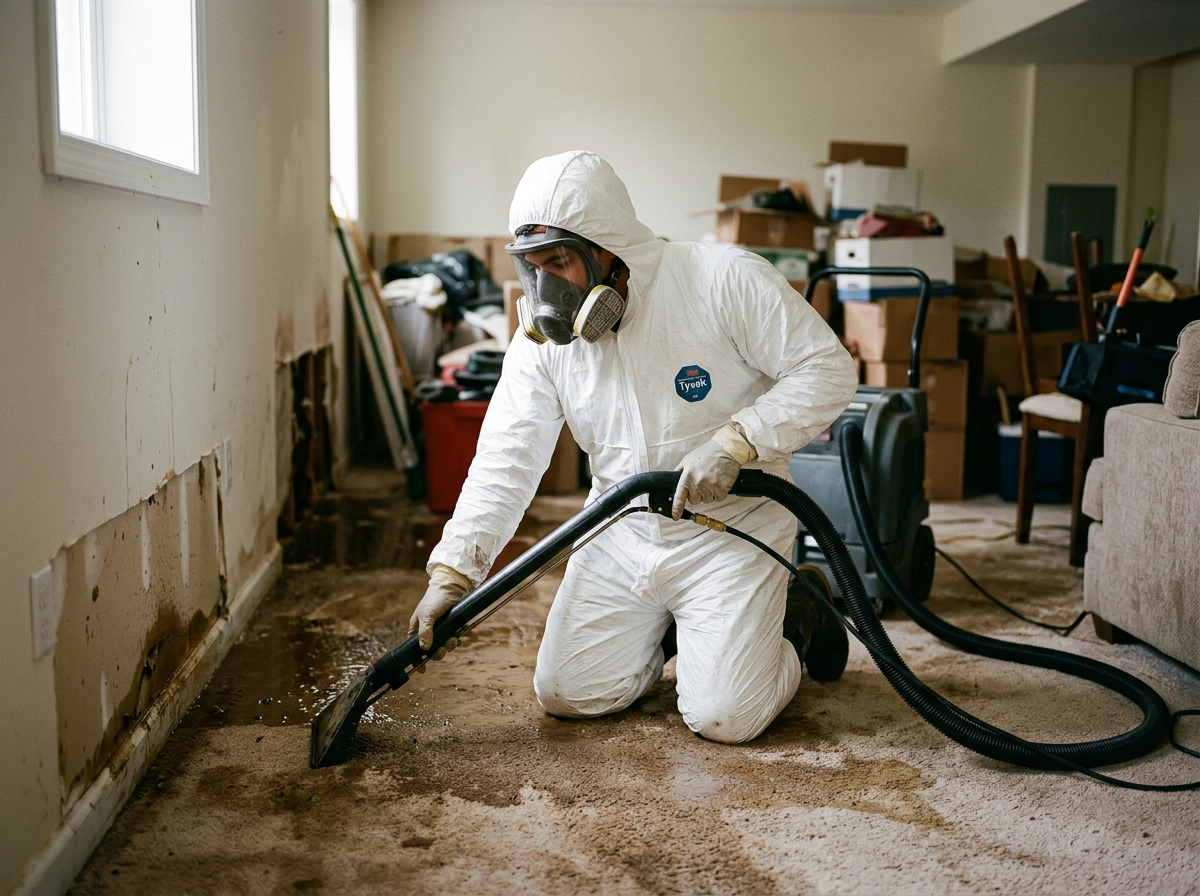
Sewage backup in Tarrytown residences demands extraction and containment within the first 24 hours to keep affected water from shifting from Category 1 to Category 2, with mold risk rising sharply on organic materials after 24-48 hours. Fieldstone foundations common along the river slopes allow seepage during heavy tidal surges or nor'easter flooding, and power loss from storms often disables sumps, letting effluent spread across basements. Homeowners should isolate the area, avoid direct contact, and shut off electricity to affected zones before any cleanup begins.
Immediate Safety and Containment Steps
Residents facing sewage backup must first protect themselves and limit spread. Wear protective gloves, boots, and masks rated for biohazards, then ventilate the space only after confirming no electrical hazards remain. Block doorways with plastic sheeting and sandbags to prevent migration into living areas, especially in older Tarrytown homes where floor joists sit close to grade. Document visible damage with photos for insurance discussions, noting that coverage depends on individual policy language rather than any standard guarantee. Contact a local restoration team early, as delays beyond 48 hours allow bacteria and odors to embed deeper into porous surfaces like subflooring and wall cavities.
Water Category Changes and Mold Timeline
Category 1 water from clean sources can degrade to Category 2 within roughly 48 hours when mixed with sewage or silt from Hudson River flooding. In Tarrytown basements, this shift accelerates during January and February ice-dam events or summer storm surges that overwhelm municipal systems. Mold colonies typically appear on wet drywall, insulation, or wood within 24-48 hours once humidity stays elevated. Moisture meters provide the only reliable verification that hidden cavities have reached safe levels, usually below 15 percent. Homeowners who attempt partial drying without professional equipment often leave pockets of moisture that later require full wall or floor removal.
Extraction, Drying, and Verification Process
Professional crews begin with submersible pumps and truck-mounted extraction units to remove standing effluent, followed by air movers and dehumidifiers calibrated to local conditions. In the Hudson Valley climate, drying a typical Tarrytown basement often takes 3-5 days when outdoor humidity remains high. Technicians place sensors at multiple depths in flooring and behind baseboards to confirm progress, adjusting equipment daily. Linking to water damage restoration services helps residents understand the full scope when sewage affects multiple rooms. For properties near the river, crews also check crawl spaces that fieldstone walls can channel water into undetected.
Prevention Measures for Future Nor'easters
Tarrytown homeowners can reduce recurrence by installing battery backup sump pumps and sealing foundation cracks before winter. Regular inspection of downspouts and grading directs water away from fieldstone walls that otherwise weep during tidal events. After any backup, thorough cleaning of affected surfaces with EPA-registered disinfectants prevents lingering odors. Readers exploring related topics may review how to prevent mold after basement flooding in the Hudson Valley or compare approaches in cost factors for water damage restoration in Tarrytown. Hudson Valley Flood Response operates from 629 White Plains Rd, Tarrytown, NY 10591 and responds to calls across the region.